
Ecommerce Order Management Software for 3PLs and Multichannel Fulfillment
Fulfillor helps 3PLs, fulfillment teams, and ecommerce businesses manage orders from multiple sales channels in one connected system. Import orders, sync inventory, route fulfillment tasks, manage exceptions, track shipments, and keep customers updated without relying on spreadsheets or disconnected tools.
 Multi-channel order syncAutomated order workflows
Centralized 3PL Order Management
A 3PL order management system helps fulfillment teams manage orders from ecommerce stores, marketplaces, retail channels, and multiple client accounts in one place. For retail sellers, this works best alongside a dedicated retail warehouse management system that handles allocation, replenishment, and returns. Instead of switching between disconnected tools, teams can process, route, track, and update orders through one centralized workflow.
Multichannel Integrations: Orders from ecommerce platforms, marketplaces, and retail systems can be centralized into a single workflow, reducing manual data entry and sync issues.
Custom 3PL Order Workflows: Order routing, status updates, exception handling, and billing triggers can be configured based on client rules, service levels, and warehouse requirements.
Shipping and Order Tracking for 3PLs: Shipping workflows and order updates stay connected, so teams can track fulfillment progress without switching between separate tools.
Returns and Refund Management: Returns can be handled within the same workflow, helping teams maintain visibility, update inventory, and reduce errors when orders come back.
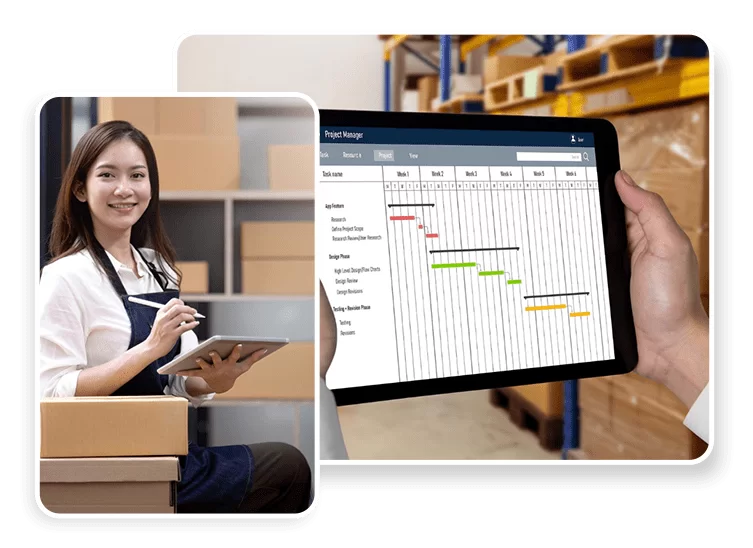
Order Management Software for 3PL Fulfillment
3PLs need more than basic order tracking. Fulfillor connects orders, inventory, shipping, returns, and client-specific workflows in one order management system, so teams can process multichannel ecommerce orders faster, reduce manual work, and keep fulfillment operations visible across warehouses and sales channels.
Sync Orders from Every Sales Channel
Bring orders from ecommerce stores, marketplaces, retail channels, and client systems into one centralized order management workflow.
Route Orders to the Right Fulfillment Flow
Route orders by warehouse, inventory availability, shipping method, client rules, SLA, or fulfillment priority.
Track Orders and Inventory Availability
Keep order status, stock levels, and fulfillment progress connected to reduce overselling, delays, and missed updates.
Packing, Shipping, and Billing Rules by Client
Manage client-specific rules for packing, shipping, billing, returns, SLAs, and order exceptions.
Track Shipments from Dispatch to Delivery
Connect carrier workflows with order tracking so teams and clients can follow each order from processing to delivery.
Order Management Integrated With Warehouse Operations
Connect order management with warehouse execution so picking, packing, shipping, returns, and inventory updates stay accurate.
Trusted by Teams Managing High-Volume Warehouse Orders
100+
3PL & Fulfillment Clients
Support complex warehouse operations across multiple clients.
80+
Retail Brands Supported
Help retail businesses move from order intake to fulfillment.
150+
Ecommerce, Shipping & Warehouse Integrations
Connect ecommerce, shipping, and warehouse operations without manual work.
Automated Multichannel Order Management for 3PLs
Managing orders across Shopify, WooCommerce, marketplaces, B2B portals, and client sales channels can quickly get messy. Fulfillor centralizes order data and automates fulfillment workflows so 3PL teams can process orders faster without relying on manual updates.
Order routing, batch processing, shipping rules, and special handling requirements can be managed within one system. This helps teams maintain consistency as order volume grows and reduces manual coordination across channels.
As operations scale, teams can manage higher order volume, multiple sales channels, returns, fulfillment updates, and order exceptions without disrupting daily warehouse work.


Improve 3PL Client Experience with Order Visibility
When order updates are delayed, clients receive more support requests and customers lose trust. Fulfillor helps 3PLs keep order statuses, tracking details, fulfillment updates, and inventory data aligned across channels.
By centralizing order processing and syncing inventory data, teams can reduce manual follow-ups, improve customer communication, and maintain reliable fulfillment operations as order volume and channel complexity increase.
Order Management with Real-Time Inventory Visibility
Order management software works best when it is connected to live inventory. Fulfillor syncs order, inventory, and sales channel data so teams can avoid overselling, identify fulfillment delays, and make better decisions across warehouses and client accounts.
With synchronized data across systems, 3PL and ecommerce teams gain better visibility, reduce reporting errors, and maintain accurate operational control at scale.

Manage Ecommerce, Marketplace, and B2B Orders
See how Fulfillor helps 3PL teams manage, route, track, and fulfill orders in one connected system.
Order Management Questions for High-Volume Fulfillment
3PL order management software helps fulfillment providers manage orders across multiple clients, sales channels, warehouses, and shipping workflows from one system. It centralizes order data, automates routing, tracks fulfillment progress, and keeps clients updated.
An OMS manages the order lifecycle, including order capture, routing, status updates, and customer communication. A WMS manages warehouse execution, including receiving, storage, picking, packing, and shipping. For 3PLs, both systems should work together.
Yes. A multichannel order management system can connect with ecommerce platforms, marketplaces, and sales channels so orders flow into one system instead of being managed separately.
3PLs need order management software to reduce manual work, prevent order errors, manage client-specific workflows, track fulfillment status, and handle growing order volume across multiple channels.
Yes. Fulfillor supports order tracking, shipping workflows, carrier integrations, and fulfillment visibility so teams can manage orders from receipt to delivery.
Without an OMS, teams often face delayed order updates, overselling, duplicate work, missed shipments, poor client visibility, and more customer support requests.