
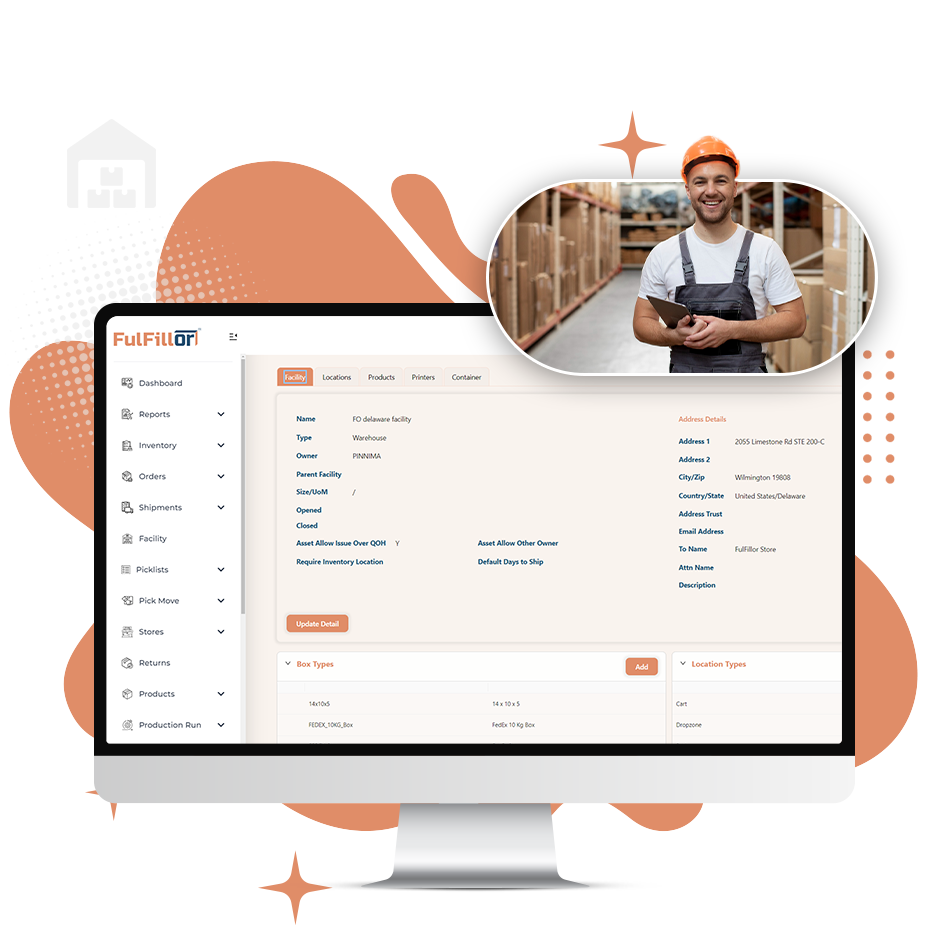
Real-Time Inventory Control for Independent Warehouses
Track stock levels, bin locations, and inbound inventory in real time. Barcode validation, replenishment alerts, and structured receiving workflows help warehouse teams reduce manual tracking, avoid stock errors, and maintain accurate inventory records.
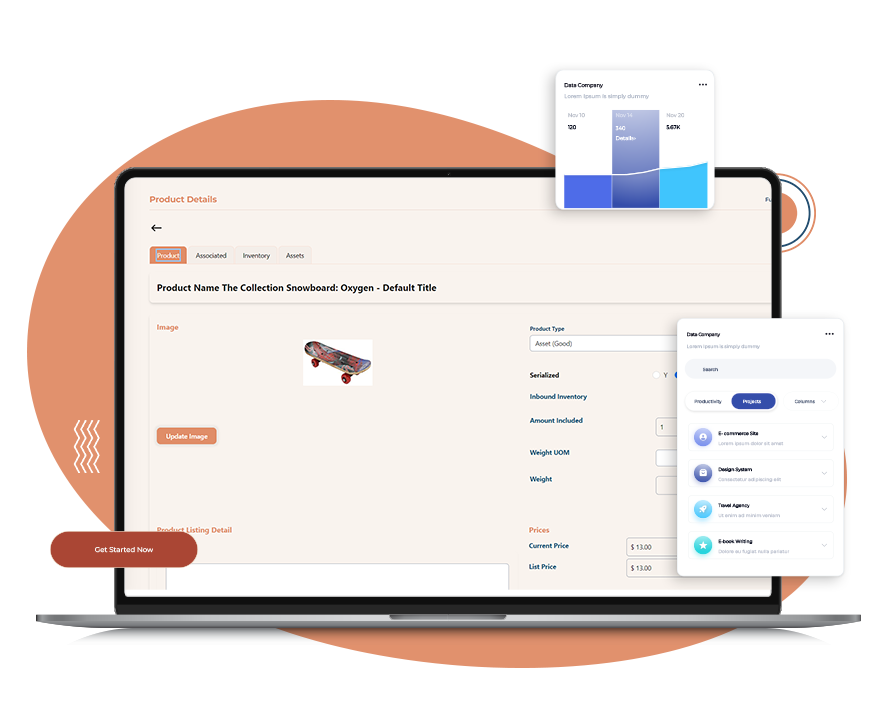
Warehouse Order Processing and Shipping Execution
Help warehouse teams manage picking, packing, dispatch, shipping labels, and tracking updates through structured barcode-driven workflows. Real-time order validation reduces manual coordination, improves fulfillment accuracy, and keeps outbound orders moving without delays.
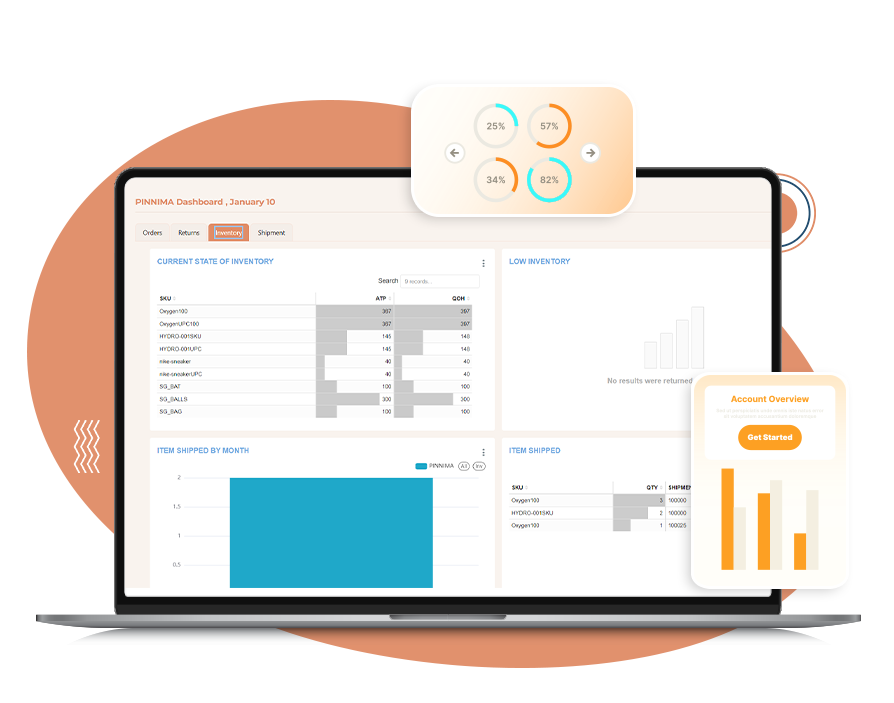
Warehouse Reporting and Performance Dashboards
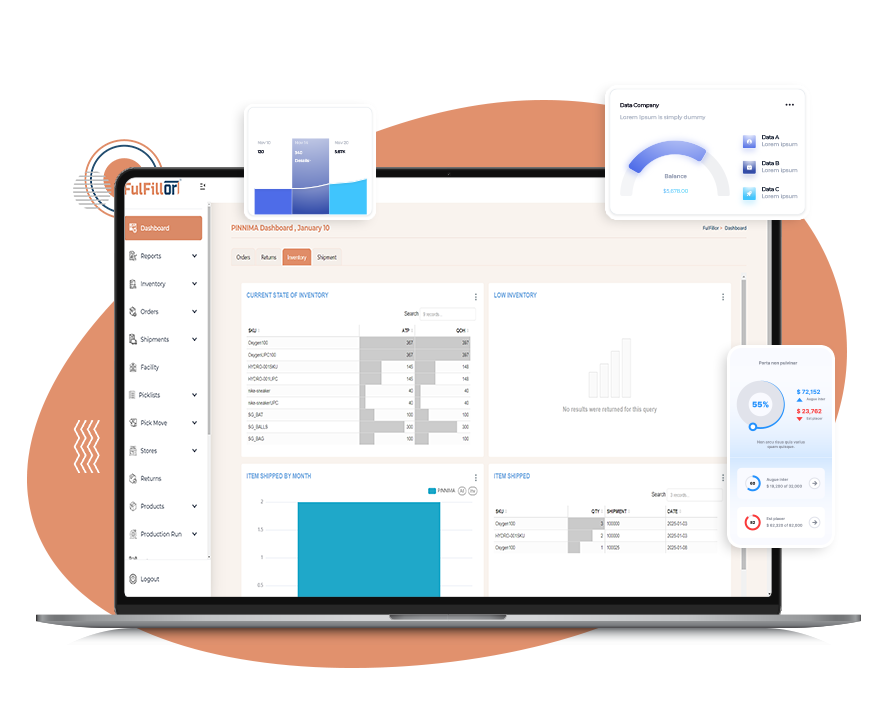
Track inventory movement, order processing times, picking accuracy, stock aging, and fulfillment performance in real time. Centralized dashboards help warehouse managers identify bottlenecks, monitor operations, and make faster decisions without relying on manual spreadsheets.
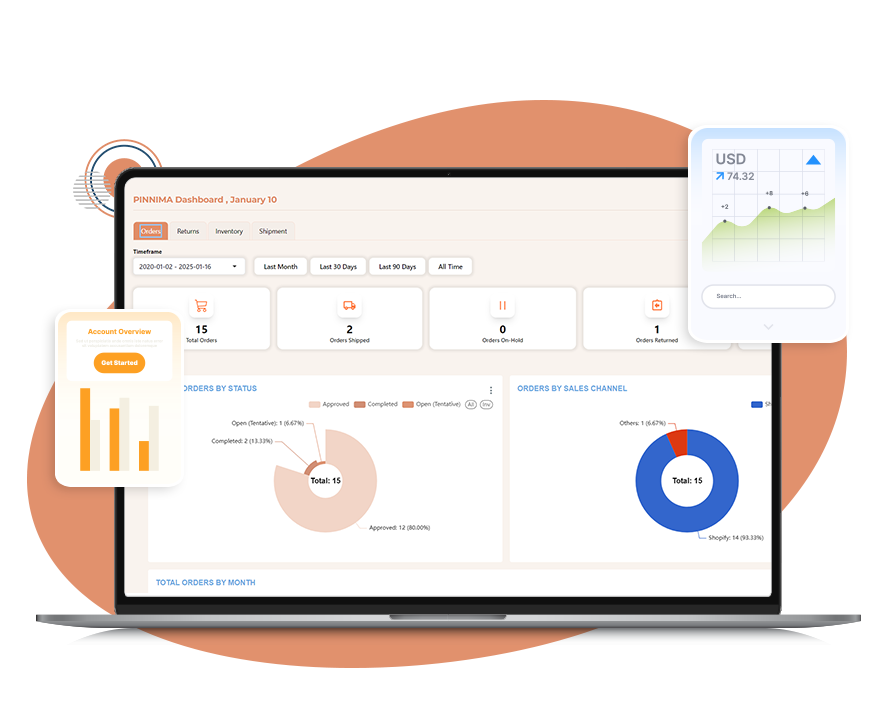
Connected Workflows Across Shipping, Ecommerce, and ERP
Sync orders, inventory, tracking updates, and billing data across connected systems. Real-time API connectivity helps warehouse teams reduce manual entry, prevent data mismatches, and keep fulfillment operations aligned from order intake to dispatch.
FAQs for Independent Warehouse Operators
Independent warehouses should look for inventory control, receiving and fulfillment workflows, barcode scanning, reporting, carrier connectivity, and the flexibility to support different operational requirements without unnecessary system complexity.
Yes. Independent warehouse operators can manage inventory, transfers, users, workflows, and reporting across multiple facilities while keeping each location's warehouse activity visible from one system.
Yes. Modern warehouse management software can integrate with shipping carriers, ecommerce platforms, ERP systems, accounting software, and other business applications. These integrations help synchronize orders, inventory levels, shipment tracking, and operational data across connected systems to reduce manual data entry and improve efficiency.
Yes. Warehouse management software can help small and mid-sized warehouses improve inventory control, optimize warehouse workflows, increase operational visibility, and support business growth. Cloud-based systems allow warehouses to scale operations without requiring significant IT infrastructure investments.
Explore the Complete Warehouse Management Platform
Need a broader view of Fulfillor's inventory, order, warehouse execution, automation, shipping, and reporting capabilities? Explore the complete warehouse management software platform.