
Warehouse Reporting & Analytics Software for 3PLs and Brands
Gain real-time visibility into inventory, fulfillment performance, labor activity, and billing data across multi-client 3PL warehouses or brand-owned distribution centers.
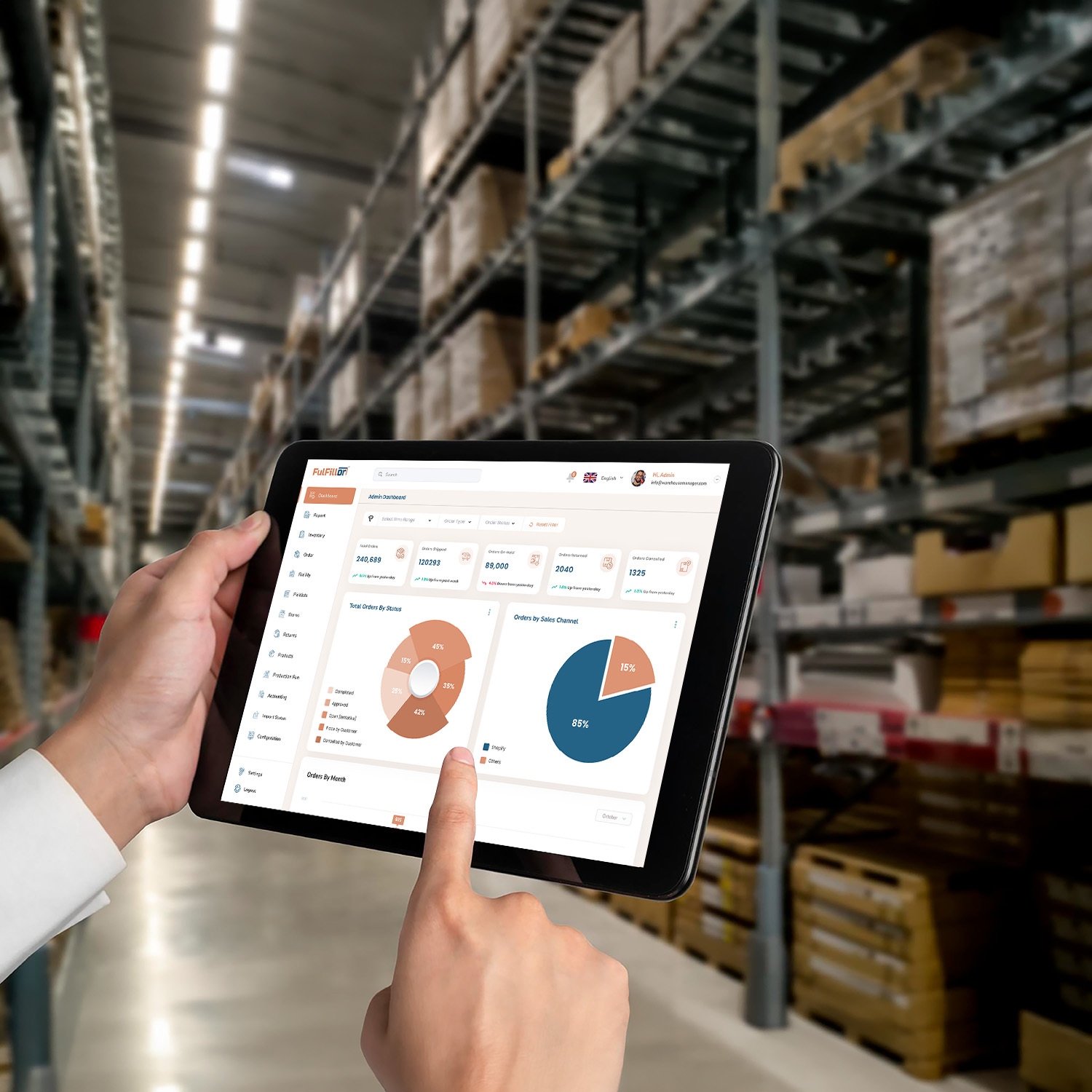 Real-time warehouse KPIsCentralized reporting dashboards
Track Warehouse Performance and KPIs
Real-Time Inventory Reporting: Monitor stock levels by SKU, client, warehouse location, and bin. Reduce discrepancies and maintain accurate inventory visibility across all operations.
Order & Fulfillment Performance: Track order cycle time, pick accuracy, dispatch speed, and SLA performance to identify bottlenecks and improve throughput.
Warehouse Productivity Insights: Analyze task completion rates, user activity logs, and labor efficiency to optimize workforce allocation without increasing headcount.
Billing & Cost Visibility: Access structured reports on storage usage, pick-pack charges, handling fees, and cost per order to ensure accurate billing and financial clarity.
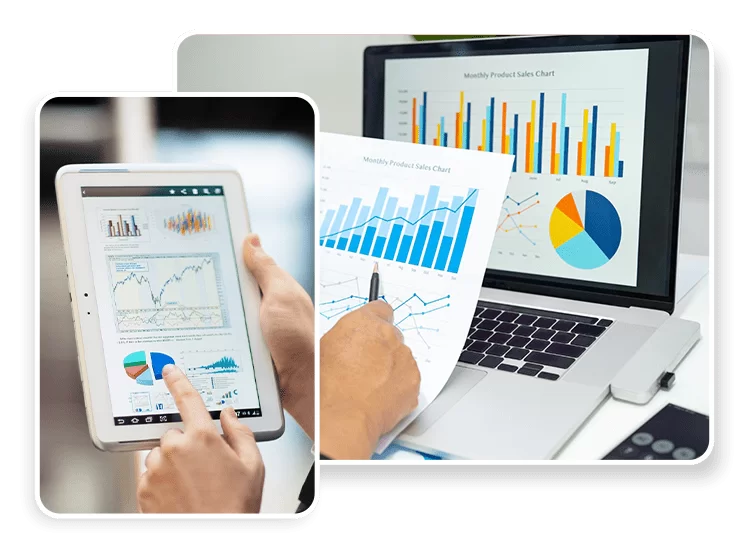
Track Warehouse Performance Without Manual Reports
See how real-time WMS analytics and reporting help 3PLs and brand warehouses improve inventory accuracy, fulfillment performance, and billing visibility.
Trusted by Teams Turning Warehouse Data Into Decisions
100+
3PL & Fulfillment Clients
Support complex warehouse operations across multiple clients.
80+
Retail Brands Supported
Help retail businesses move from order intake to fulfillment.
150+
Ecommerce, Shipping & Warehouse Integrations
Connect ecommerce, shipping, and warehouse operations without manual work.
Advanced Reporting & Analytics Capabilities Within Your WMS
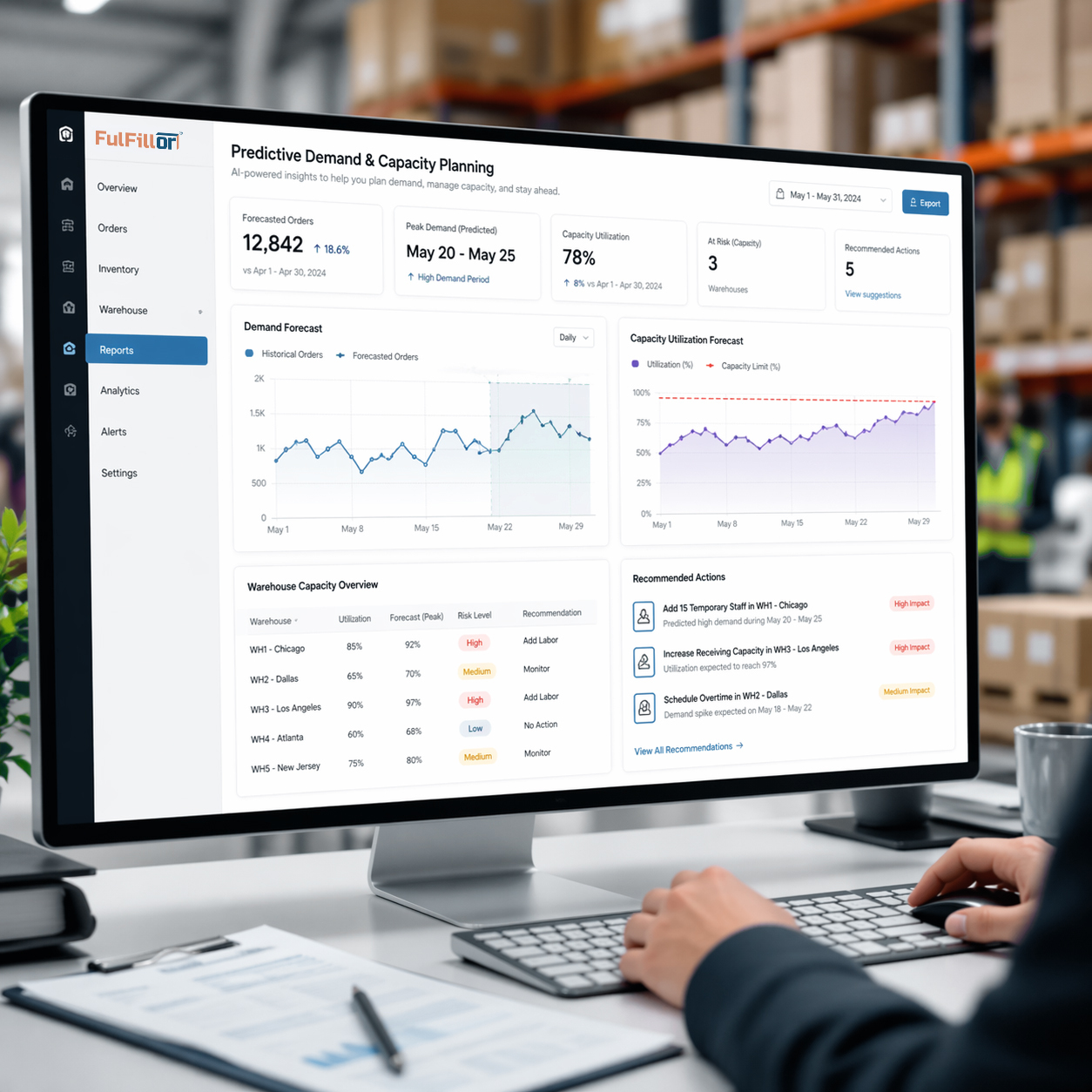
Predictive Demand & Capacity Planning
The system uses historical data on orders, inventory, and seasonal patterns to help warehouse teams plan for demand spikes and avoid capacity issues.
Predictive warehouse analytics helps 3PL operators and brand warehouses prepare for peak periods, allocate labor efficiently, and prevent operational bottlenecks before they impact service levels.
Role-Based Warehouse Dashboards
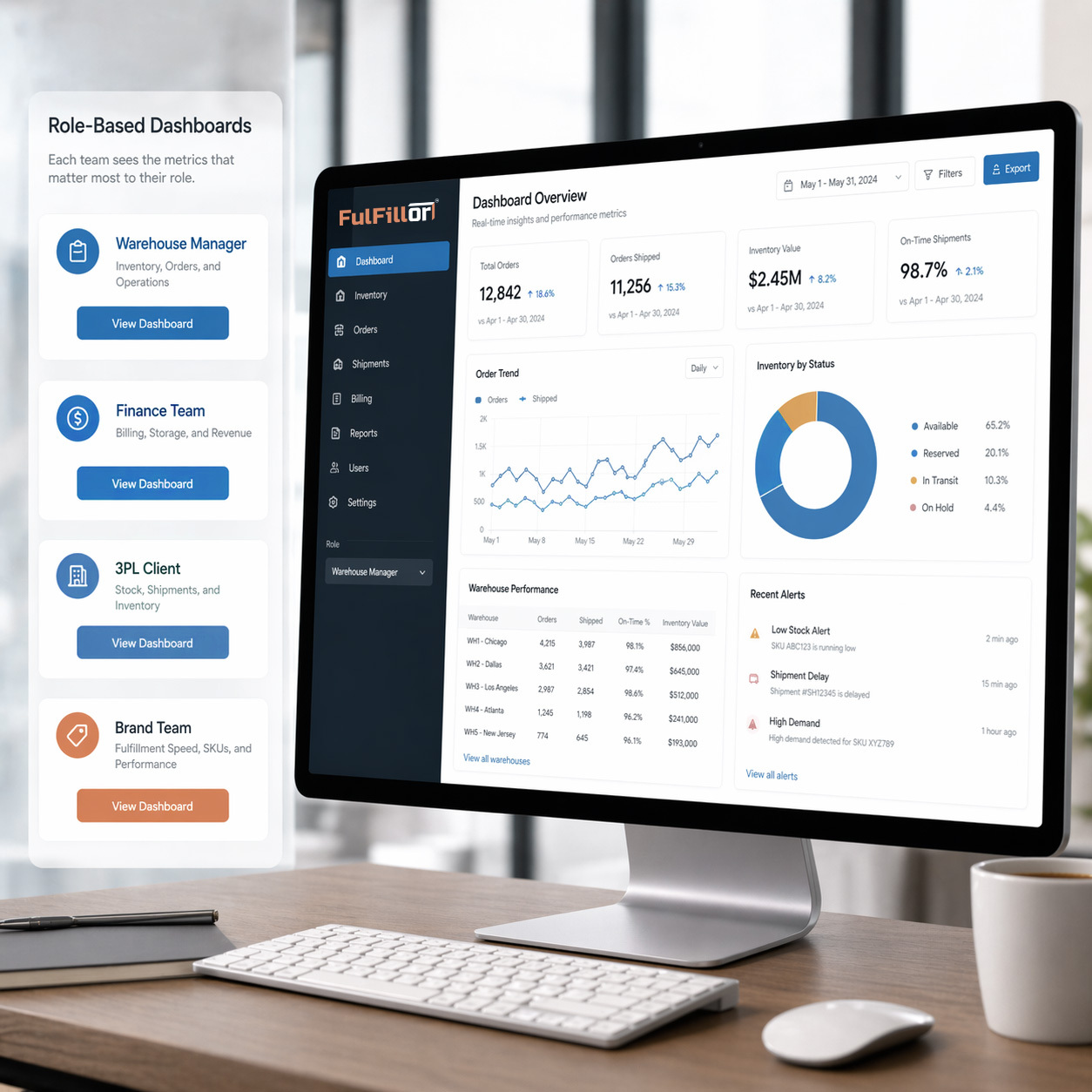
Operations, finance, and client teams rely on different metrics. Role-based dashboards ensure each team sees only what matters for their tasks.
Warehouse managers track inventory and order performance. Finance teams review billing and storage usage. 3PL clients monitor stock and shipments. Brand teams follow fulfillment speed and SKU movement.
Each dashboard focuses only on the metrics relevant to that role, with filters by warehouse, client, SKU, or date range for quick operational insights.
Real-Time Warehouse Monitoring & Alerts
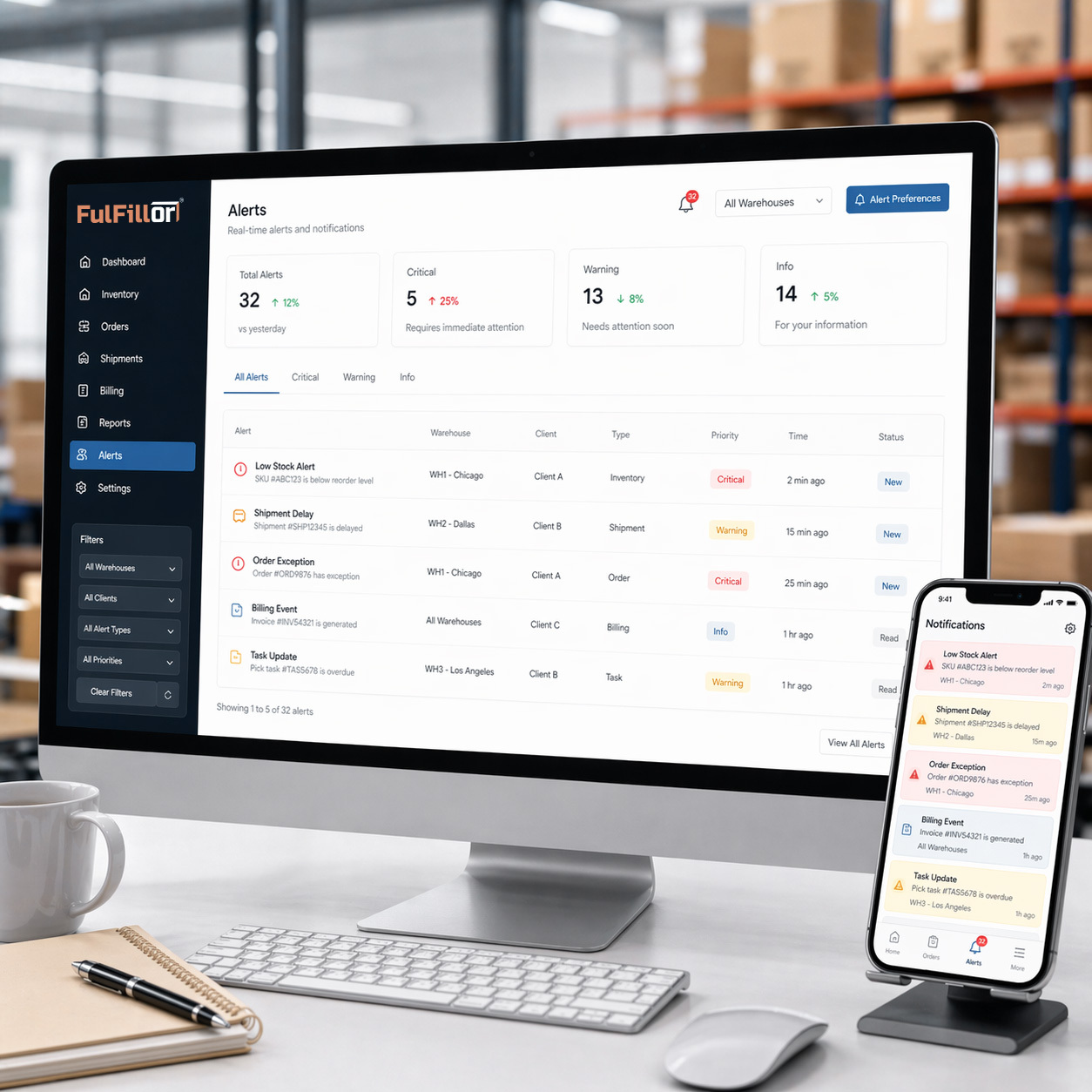
Delays, stock issues, and order exceptions often go unnoticed until they impact operations. Alerts notify teams instantly so issues can be handled before escalation.
Receive automatic alerts for low stock levels, delayed shipments, order exceptions, billing events, and task updates. Notifications can be configured by role, warehouse location, or client account.
Get Structured Reports Across Your Entire 3PL Operation
Warehouse Reporting FAQs for 3PL Teams
Warehouse data is often spread across systems or updated manually. This leads to delays, inconsistencies, and reporting errors.
Tracking billing across multiple clients requires real-time data from picking, storage, and shipping. Without this, teams rely on manual reconciliation.
Key reports include inventory levels, order accuracy, picking performance, storage usage, and client-specific billing.
Real-time dashboards allow teams to identify delays, stock issues, and performance gaps instantly instead of relying on delayed reports.
Manual reporting is reduced by capturing data directly from warehouse operations and generating reports automatically.
Important metrics include order accuracy, picking speed, inventory accuracy, fulfillment time, and client SLA performance.