
Why 3PL Warehouses Need Accounting Integrations
Reduce Manual Invoice Entry
Sync warehouse billing activity into connected accounting workflows to reduce repeated invoice entry.
Capture Billable 3PL Services
Record storage, picking, packing, returns, kitting, and other client-specific warehouse charges.
Improve Client Billing Accuracy
Keep warehouse activity and billing data aligned to reduce missed charges and invoice disputes.
Sync Billing and Accounting Data
Keep invoice, payment, and fulfillment-related data connected across supported systems.
Support Multi-Client Billing
Apply different billing rules, rate cards, and service charges for multiple 3PL clients.
Faster Billing Workflows
Move approved warehouse charges into connected accounting workflows without repeated manual handoffs.
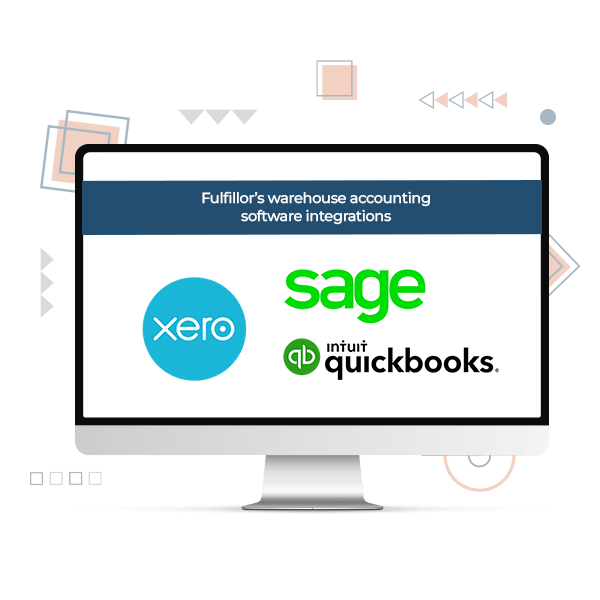
Accounting Platforms That Connect With Fulfillor
Connect supported accounting platforms to move warehouse billing and invoice-related data into connected financial workflows.



See How Accounting Integrations Work With Fulfillor
See how warehouse billing, client charges, and invoice-related data can move into connected accounting workflows.
WMS and Accounting Software Integration FAQs
Fulfillor can pass billing and invoice-related data from warehouse operations into supported accounting workflows, depending on the connected platform and configuration.
Fulfillor supports integrations with accounting platforms such as QuickBooks, Xero, Sage, and other supported systems, depending on API access and workflow requirements.
Yes. Fulfillor can apply separate billing rules, rate cards, and service charges for different 3PL clients within the same WMS.
Fulfillor can capture billable activity such as storage, picking, packing, returns, kitting, and other warehouse services for connected billing workflows.
Yes. Fulfillor can keep warehouse activity, client charges, and billing data connected so teams can reduce repeated manual entry and reconciliation.