
Warehouse Labor Management Software for 3PL Operations
Manage warehouse labor, attendance, productivity, tasks, and labor costs in one place. Fulfillor gives 3PLs real-time workforce visibility to improve staffing decisions and keep fulfillment operations moving.
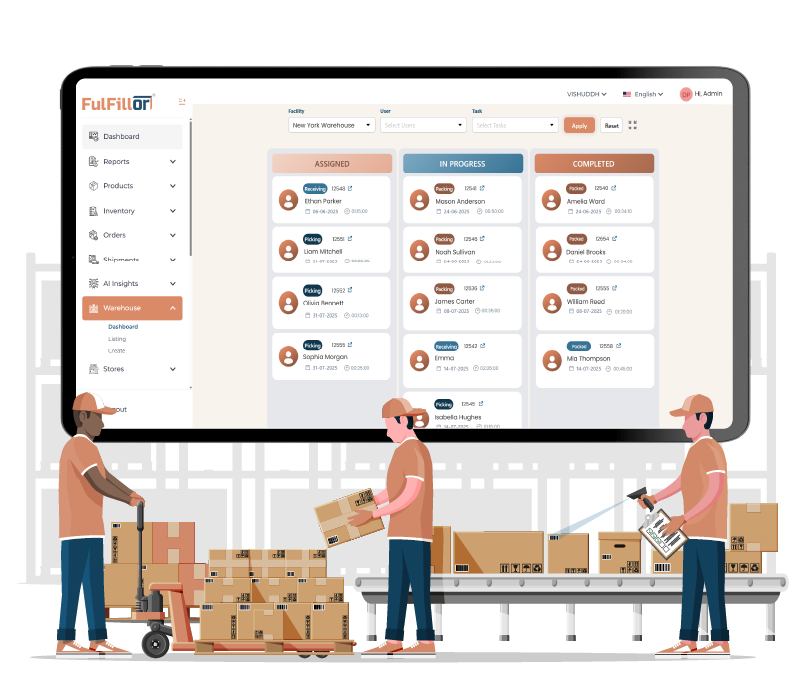 Real-time workforce visibilityLabor cost tracking
Warehouse Labor Management Features Built for 3PL Operations
Real-Time Attendance and Shift Tracking
Track employee attendance, working hours, shift activity, and labor records in real time to support payroll accuracy, staffing visibility, and daily workforce planning.
Workforce Activity and Location Visibility
Monitor worker location, task progress, and team activity across warehouse zones so managers can spot delays, balance workloads, and keep operations moving.
Task Assignment and Workload Allocation
Assign warehouse tasks in advance, distribute work by role or workflow, and balance workloads across receiving, picking, packing, returns, and shipping.
Bottleneck and Performance Alerts
Get alerts for delayed tasks, inactive work, and workflow bottlenecks so managers can respond faster before labor costs or fulfillment delays increase.
Shift Performance Reports
View shift-level reports, task completion trends, productivity KPIs, and employee performance data to support better staffing and warehouse planning decisions.
Labor Cost and Overtime Control
Track labor hours, overtime patterns, and workforce utilization by shift, task, or workflow to reduce overstaffing, control costs, and protect fulfillment margins.
Why 3PLs Need Real-Time Labor Visibility
3PL warehouses need real-time labor visibility because order volume, client priorities, and task workloads change throughout the day. Fulfillor helps managers track attendance, task progress, workforce productivity, and overtime trends in one connected WMS, so teams can plan shifts faster, reduce bottlenecks, and keep fulfillment operations on schedule.
Plan Labor Before Delays Happen
Assign the right workers to the right tasks based on live warehouse demand. Track progress across receiving, picking, packing, returns, and shipping to spot workload gaps early, balance teams, and keep fulfillment on schedule.
- Identify understaffed workflows before they affect order turnaround times.
- Reassign workers across receiving, picking, packing, returns, and shipping as demand changes.
Real-time task assignment keeps fulfillment on schedule and prevents bottlenecks from becoming delays that affect client SLAs.

Warehouse Labor Analytics
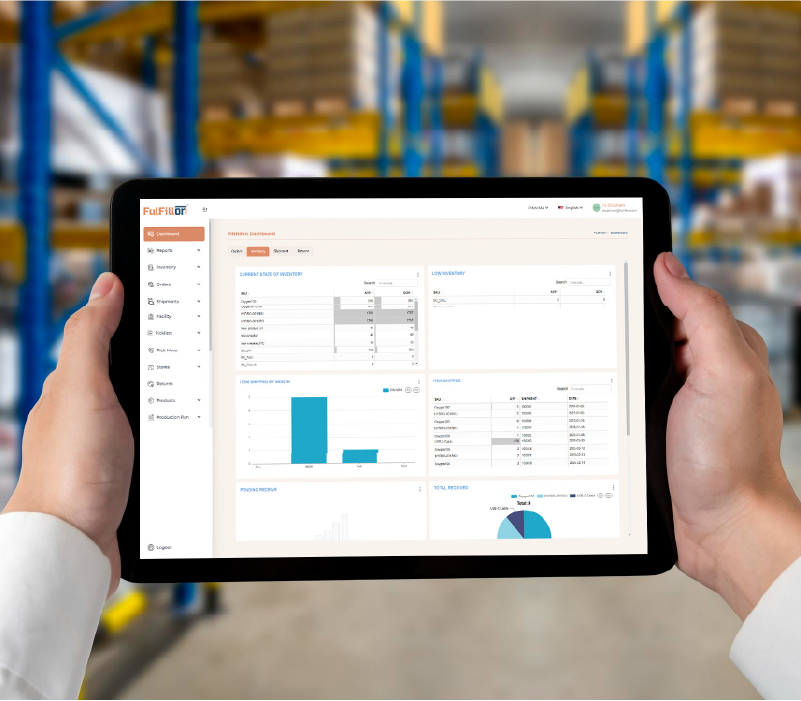
Use real-time labor analytics and historical workforce trends to understand how teams perform across shifts, tasks, and warehouse workflows. Managers can review productivity patterns, warehouse KPIs, overtime trends, and cost drivers to make better staffing decisions and improve day-to-day performance.
- Compare labor performance across shifts, teams, task types, and warehouse zones.
- Identify productivity trends, overtime patterns, and cost drivers before they affect margins.
These insights connect directly to warehouse reporting, giving 3PL operators the data needed to reduce cost per order and maintain client SLAs.
Workforce Communication and Task Visibility
Keep warehouse teams aligned with real-time task updates, schedule visibility, and operational communication in one labor management system. Managers can track task status, share updates, and reduce miscommunication across receiving, picking, packing, returns, and shipping.

Reduce Labor Costs and Overtime
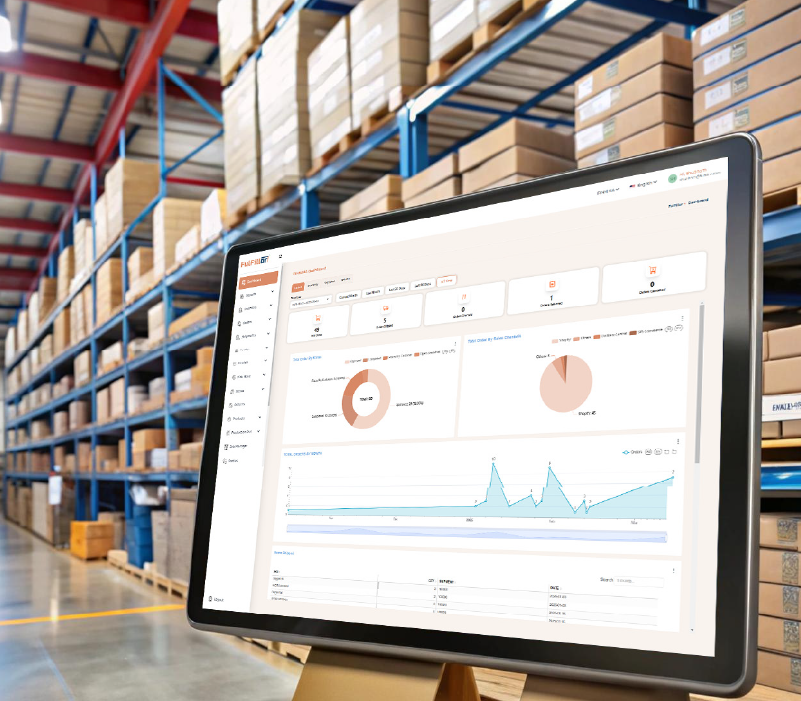
A warehouse labor management system (LMS) helps reduce unnecessary labor expenses by improving workforce visibility and optimizing task allocation. By identifying inefficiencies, controlling overtime, and automating manual processes, it increases productivity while lowering operational costs. It also supports planning ahead and automating warehouse labor shortages, helping operations maintain performance even when staffing is tight.
Integrations with WMS, ERP, HR, and Payroll Systems
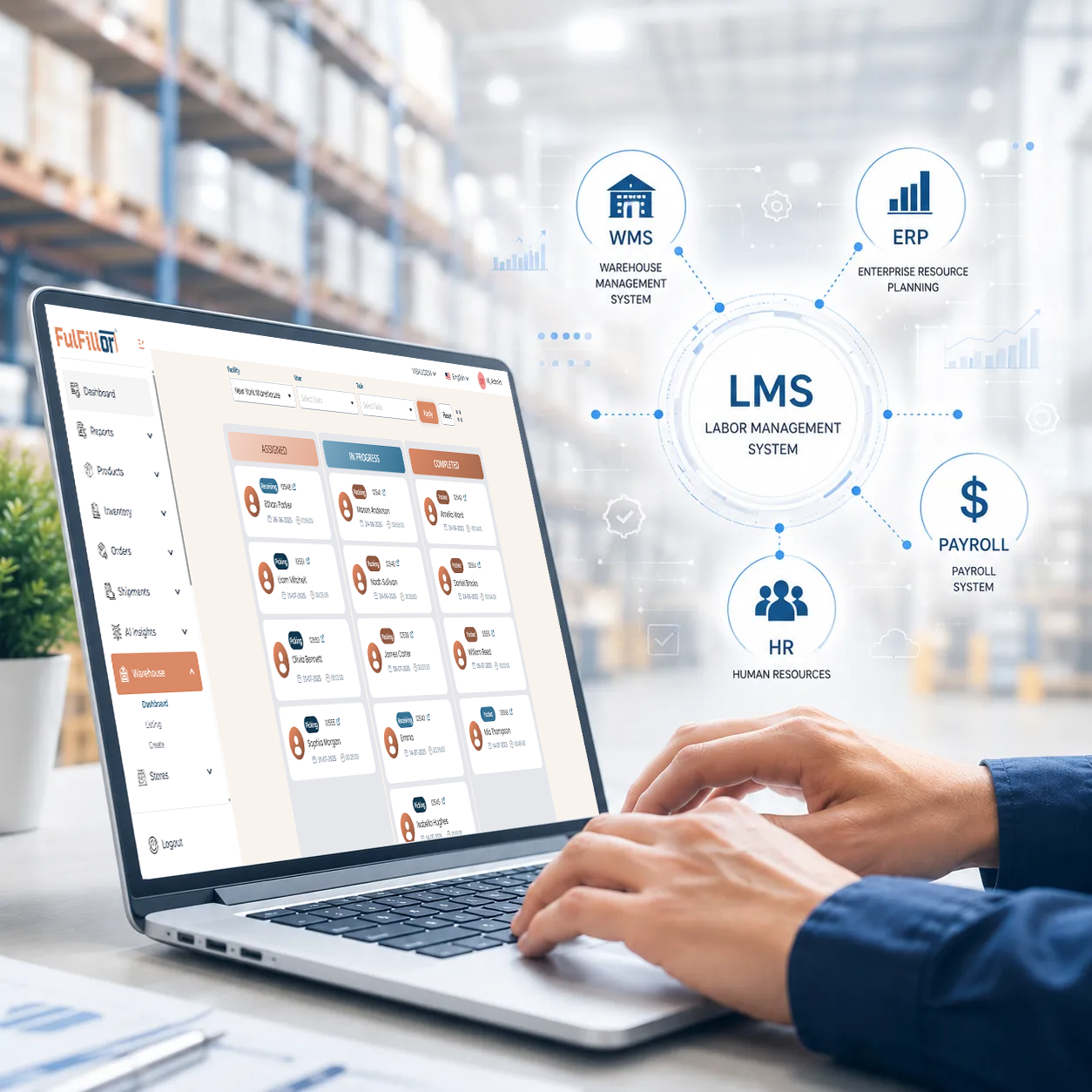
The warehouse labor management system integrates with existing platforms, including Warehouse Management System (WMS), Enterprise Resource Planning (ERP) software, Manufacturing Execution Systems (MES), HR, and payroll tools. These integrations create a connected data environment that provides real-time visibility into labor tracking, productivity metrics, and workforce performance while reducing data silos across warehouse operations.
See How Fulfillor Helps 3PLs Track Labor and Control Costs
Get real-time visibility into attendance, task progress, productivity, overtime, and staffing needs.
Warehouse Labor Management FAQs
3PL labor management software helps third-party logistics providers assign tasks, track employee activity, monitor productivity, manage shifts, and control labor costs across warehouse operations.
It helps managers identify overstaffing, idle time, delayed tasks, overtime patterns, and inefficient workflows. This makes it easier to adjust labor planning before costs increase.
Yes. A connected labor management system can help track picking, packing, replenishment, returns, and other warehouse tasks so managers can understand performance by workflow or shift.
Labor management can be part of a warehouse management system when workforce activity is connected with orders, inventory, picking, packing, shipping, and reporting workflows.
3PL providers manage different clients, order volumes, service rules, and fulfillment tasks. Labor visibility helps them plan staffing, reduce delays, and understand how workforce activity affects operational costs.
Yes. It helps managers monitor workload, shift performance, and task delays so they can reduce unnecessary overtime and improve staffing decisions.