
Ecommerce fulfillment usually starts simply. A few shelves, a few SKUs, a shipping station, maybe a spreadsheet that everyone promises is “temporary.” Then orders grow. New sales channels get added. Returns start coming back. Inventory counts stop matching what the store says. Someone spends half the morning looking for a product that was supposedly “in stock.”
That is usually when a warehouse management system stops being optional and starts becoming necessary.
An ecommerce warehouse management system, often called an ecommerce WMS, helps online retailers, fulfillment centers, and 3PL warehouses control the daily movement of inventory and orders. An ecommerce WMS connects inventory and fulfillment workflows so warehouse teams can process online orders with fewer manual errors.
A WMS does not make fulfillment effortless, but it gives teams a cleaner way to manage shipping, tracking, returns, and inventory control as order volume grows.
What Is an Ecommerce Warehouse Management System?
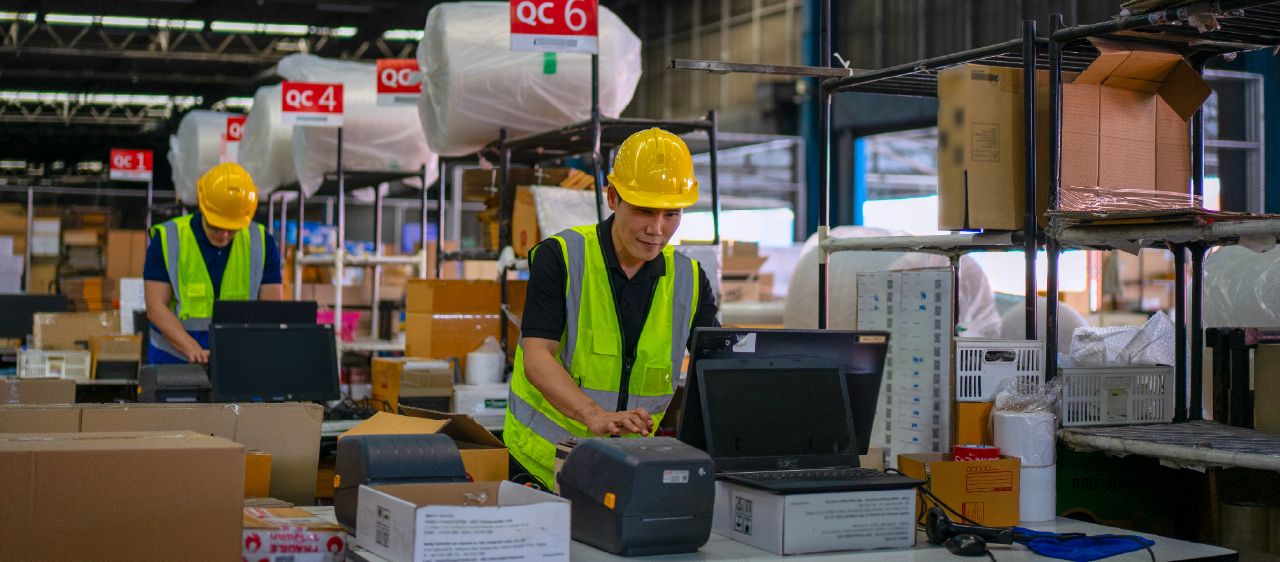
An ecommerce warehouse management system is software that helps online sellers, fulfillment centers, and 3PL warehouses manage inventory, orders, picking, packing, shipping, returns, and warehouse reporting from one connected system.
Unlike basic inventory software, an ecommerce WMS does more than monitor stock levels. It helps warehouse teams identify where stock is, what condition it is in, and whether it is available for sale, allocated to an order, returned from a customer, or waiting for a decision in a damaged or quarantine area.
In a real ecommerce workflow, an order may come from Shopify, WooCommerce, Amazon, Walmart, eBay, TikTok Shop, or another sales channel. The warehouse needs to know whether the item is in stock, where it is stored, who should pick it, how it should be packed, which shipping option should be used, and when tracking should be updated.
When this process is handled manually, small errors can quickly become bigger fulfillment problems. A delayed stock update can lead to overselling, a wrong pick can create a return, and a missed tracking update can turn into a customer support ticket.
Why Ecommerce Fulfillment Needs a Different Type of WMS
Traditional warehouse operations often focus on larger orders, pallets, cartons, scheduled deliveries, and B2B distribution. Ecommerce fulfillment works differently. Online orders are usually smaller, more frequent, and shipped directly to individual customers.
Instead of shipping 20 boxes to one retailer, an ecommerce warehouse may ship 500 individual orders to 500 different customers. Each order can have its own SKU mix, shipping method, recipient address, packaging requirement, and delivery expectation. That means ecommerce fulfillment needs a different workflow than conventional warehouse operations.
An ecommerce WMS must support high order volume, real-time inventory updates, barcode scanning, order picking, parcel shipping, returns, tracking updates, and multichannel fulfillment. It also has to handle the operationally messy side of ecommerce fulfillment. These include fragmented inventory, product variations, missing barcodes, grouped SKUs, damaged returns, seasonal demand spikes, and high order volume during events like Black Friday.
Teams may still get orders shipped, but they often spend too much time auditing, checking, correcting, and explaining what went wrong. These issues are not signs of growth. They are signs that the warehouse is under pressure and needs a more reliable process.
The Real Problems an Ecommerce WMS Helps Solve
Functionality matters, but software pages often focus too much on feature lists. The better question is what operational problems the system actually solves.
One significant problem is inventory mismatch. The pack count at the warehouse may be entirely different from the store inventory, leading to overselling, order skipping, fulfillment delays, and unhappy customers. All this happens when the brand sells in multiple channels and they all access the same stock.
Another problem is picking accuracy. With ecommerce warehouses selling many similar SKUs, different sizes, colors, and pack multiples, errors happen. Employees simply pick the wrong item for the SKU if they look too similar.
Shipping is also a critical bottleneck. Some items need to ship in before carrier cutoff. Certain products require specific packaging or overnight handling, and others must send tracking information back into the sales channel. Disconnected processes mean wasted employee time.
Returns tend to be even more problematic. Something returned is not always ready for resale and may need correction or repair, cleaning and restocking, or disposal or client approval. Without a robust returns process, some sellable stock sits unused, while damaged stock re-enters the inventory pool by accident, if at all.
Core Features That Actually Matter
A useful ecommerce warehouse management system should match the way online fulfillment works. Not every business needs every advanced feature on day one, but several capabilities matter more than the usual software fluff.
Real-Time Inventory Visibility
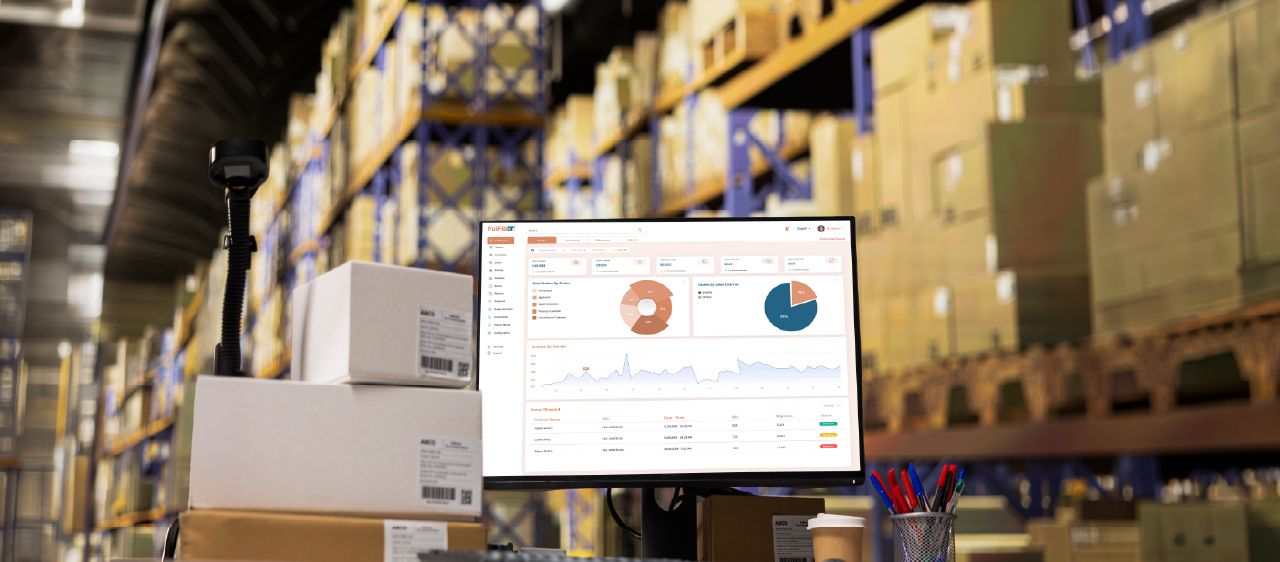
Inventory needs to be updated as products move through the warehouse. When items are received, moved, picked, packed, shipped, returned, adjusted, or transferred, the system should reflect those changes quickly.
This matters even more when the same inventory is available across Shopify, WooCommerce, Amazon, Walmart, eBay, or other channels. If stock updates lag, the business risks overselling products it cannot ship.
Real-time inventory management also helps warehouse managers make better decisions. They can see which items are low, which products are aging, which locations need replenishment, and which SKUs keep causing problems.
Order Management Across Channels
Many ecommerce businesses do not have one order source anymore. Orders may come from marketplaces, brand websites, wholesale portals, social commerce channels, or manual sales orders.
A WMS should bring those orders into a controlled fulfillment workflow. The warehouse team should not have to jump between five dashboards just to understand what needs to ship today.
Good order management helps teams prioritize by shipping method, cutoff time, inventory availability, order type, and warehouse location. For a 3PL, it also helps separate orders by client.
Picking and Packing Accuracy
Picking and packing are where many fulfillment mistakes happen. The system should help workers find the right item and confirm it before the order leaves the warehouse.
Barcode scanning is one of the most practical tools here. A worker scans the bin, SKU, order, or package to confirm the right product is being handled. This is especially useful when products have similar names, colors, sizes, or packaging.
Depending on order volume, the warehouse may use single-order picking, batch picking, wave picking, zone picking, or pick-to-cart workflows. The WMS should support the method that fits the operation instead of forcing every warehouse into the same rigid process.
Shipping and Tracking Workflows
Shipping is the part customers notice most. But they will notice when tracking does not update or the order arrives late.
An ecommerce WMS should connect packing and shipment confirmation with carrier selection, label generation, and tracking updates. Connected shipping management software helps teams use existing order and package details instead of entering them again in separate carrier systems.
For teams shipping high order volume, even small shipping improvements can save serious time.
Returns Management
An ecommerce WMS should help teams inspect returned products, assign a condition, and decide whether each item should be restocked, repaired, quarantined, returned to the supplier, or disposed of. Updating inventory after that decision helps prevent damaged stock from becoming available for sale and returns sellable products to inventory faster.
Reporting That Helps People Act
Useful reports help answer practical questions. Are orders getting stuck at picking or packing? Which SKUs have the most errors? Are returns being processed quickly? Which items are aging in storage? Are certain workers, zones, or processes creating delays?
A good ecommerce WMS gives managers enough visibility to fix problems before they become expensive habits.
Ecommerce WMS vs Traditional WMS
A traditional WMS and an ecommerce WMS may share some functions, but they are often built around different types of fulfillment.
Traditional warehouse software usually works well for bulk orders, scheduled shipments, pallets, cartons, and business distribution. Ecommerce WMS software is designed for fast-moving online orders, each picking, parcel shipping, returns, and sales channel updates.
A traditional warehouse may focus on moving large quantities to fewer destinations. An ecommerce warehouse often moves smaller quantities to many individual customers. That creates more picking steps, more packing variation, more shipping labels, more tracking updates, and more returns.
So the question is not whether one system is “better.” The question is whether the system fits the fulfillment model.
If your operation is built around online orders, marketplace sales, direct-to-consumer shipping, and frequent returns, ecommerce-specific WMS features matter.
When Does an Ecommerce Business Need a WMS?
A small ecommerce business doesn't always need a whole warehouse management system. If the team ships few orders out of a small product assortment, simple inventory tools and shipping software may suffice. The problem becomes evident when manual work begins to hinder fulfillment.
A WMS starts to make sense when manual processes begin slowing fulfillment down. Maybe inventory records no longer match what is actually on the shelf. Orders may get delayed during promotions or busy sales periods. Employees may still be printing paper pick lists and fulfilling orders from them. Returns may take days to receive, inspect, and process. Or the warehouse may depend on one person who knows where everything is, creating a clear single point of failure.
Ecommerce WMS for Brands and 3PL Warehouses
Both ecommerce companies and third-party logistics providers utilize a wide range of warehouse automation tools. Their needs are not identical. A brand that owns and operates its own warehouses will typically be primarily interested in accurate inventory levels, rapid fulfillment times, fewer errors in picking and packing, and superior customer satisfaction.
The brand wants visibility into what it has, where it’s stored, what needs to go out the door, and what could cause delays. A 3PL warehouse adds another layer of complexity because it manages inventory, orders, workflows, packaging rules, and reporting requirements for multiple ecommerce clients. It may operate multiple clients with varied SKUs, inventory rules, packaging criteria, reporting specifications, or simply client service expectations.
How to Choose the Right Ecommerce WMS
Start by mapping how orders, inventory, picking, packing, shipping updates, and returns move through your warehouse. The right WMS should improve those workflows rather than force the operation to follow an unsuitable process.
Sales channel integrations are one of the most important factors to evaluate. If your business predominantly takes orders through Shopify, WooCommerce, Amazon, Walmart, eBay, TikTok Shop or custom ecommerce channels, the WMS needs a simple way to tie into that order flow.
Inventory state is equally critical. The system should be very explicit about on-hand, reserved, damaged, returned, and in-transit stock. Lacking that, a warehouse will continue to rely on manual inventory reconciliations.
Ease of use is more important than people realize. A WMS that appears feature-rich but leaves your warehouse staff scratching their heads will not function well in busy periods.
Scalability is also crucial. The system will need to accommodate additional SKUs, more orders, more staff, additional sales channels, and, potentially, more warehouses.
And finally, do not neglect returns. Ecommerce teams that evaluate outbound fulfillment workflows to a high level of detail and then treat reverse logistics as an afterthought will regret it in bottom-line terms.
Common Mistakes to Avoid
Relying solely on price is another trap. Price matters, but choosing only on cost can create bigger operational problems later. A low-cost system can become expensive if it creates extra manual work, fragile integrations, or limited warehouse visibility.
Another common mistake is choosing software for its dashboards and reports while ignoring how warehouse employees will use it during receiving, picking, packing, and shipping. Finally, don't believe the sales rep’s claims that it’ll integrate ‘seamlessly’. Even established integrations require configuration, data mapping, testing, and exception handling.
Your e-commerce solution, marketplaces, shipping carriers and other operational tools need to pass clean, actionable data, and failing that will just get your team right back in spreadsheets.
Where Fulfillor Fits
Fulfillor brings ecommerce inventory, order fulfillment, shipping, returns, and multi-client 3PL operations into one connected platform.
For ecommerce operations, Fulfillor helps teams manage real-time inventory, process multichannel orders, automate pick-pack-ship workflows, reduce picking errors, manage returns, and keep order visibility clear across the fulfillment process.
For 3PL warehouses, Fulfillor adds another important layer: multi-client warehouse management. Teams can manage separate client inventories, client-specific workflows, order visibility, returns, reporting, and warehouse operations from one platform.
Instead of relying on spreadsheets, disconnected shipping tools, and manual updates, Fulfillor gives growing ecommerce and 3PL teams a more scalable way to run warehouse operations.
Final Thoughts
An ecommerce WMS becomes valuable when growing order volume, inventory complexity, and disconnected tools begin creating fulfillment errors. The right system should improve inventory accuracy, warehouse execution, shipping visibility, and returns processing without adding unnecessary complexity for the people using it.
Frequently Asked Questions About Ecommerce WMS
How is ecommerce WMS different from inventory management software?
Inventory management software mainly tracks stock levels. Ecommerce WMS software manages the warehouse work behind those stock levels, including receiving, storage, picking, packing, shipping, returns, and inventory movement.
Can ecommerce WMS reduce picking and shipping errors?
Yes. Barcode scanning, guided picking, packing validation, and real-time inventory updates can help reduce common ecommerce fulfillment errors.
Does an ecommerce WMS integrate with Shopify and WooCommerce?
Yes. Many ecommerce WMS platforms integrate with Shopify, WooCommerce, marketplaces, and carrier systems so orders, inventory updates, and tracking details can move between connected systems.
Can an ecommerce WMS manage multiple warehouses?
Yes. A suitable ecommerce WMS can track inventory, orders, transfers, and fulfillment activity across multiple warehouse locations while maintaining location-level stock visibility.
Can an ecommerce WMS support barcode scanning?
Yes. Many ecommerce WMS platforms support barcode scanning for receiving, putaway, picking, packing, inventory counts, and shipment verification. Available scanning workflows depend on the platform and warehouse setup.